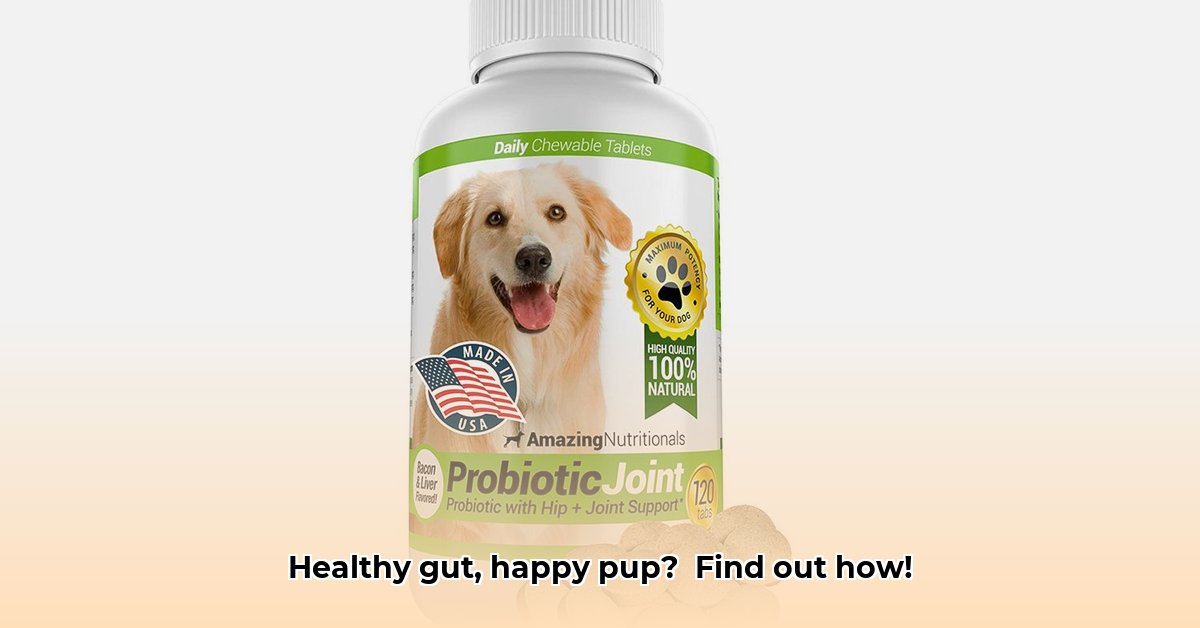
Understanding Canine Probiotics and Their Benefits
Giving your dog a probiotic supplement can significantly improve their digestive health and overall well-being. Probiotics, beneficial bacteria, aid digestion by breaking down food and supporting nutrient absorption. A healthy gut microbiome also strengthens the immune system, reducing the risk of illness. However, the market is saturated with various products, making informed selection crucial. For more information on dog treats available at Tractor Supply, check out this helpful resource. This guide helps you navigate the options at Tractor Supply, focusing on effective and safe choices for your canine companion.
What to Look For in a Dog Probiotic Supplement
Choosing the right probiotic for your dog requires careful consideration of several key factors:
Strain Specificity: The Importance of Dog-Specific Strains
Unlike human probiotics, dog probiotics contain specific strains adapted to the canine digestive system. Look for products listing strains like Lactobacillus acidophilus or Enterococcus faecium. Avoid human-grade probiotics, as they may not be effective or even safe for dogs. "The strains in human probiotics are often different, and may not colonize the dog’s gut efficiently," explains Dr. Emily Carter, DVM, from the American Veterinary Medical Association (AVMA).
Dosage: Finding the Right Amount for Your Dog
Probiotic dosages vary significantly. Product labels offer guidance, but proper dosage is crucial. The ideal amount depends on your dog's size, breed, age, and health condition. Dr. Carter stresses the importance of consulting your veterinarian to determine the appropriate dosage for your furry friend's specific needs.
Ingredients: Beyond the Probiotics
Beyond the beneficial bacteria, check for prebiotics. These act as food for the probiotics, supporting their growth and effectiveness. Prioritize products with minimal fillers or artificial additives. "A cleaner ingredient list is generally better for your dog's digestive system," advises Dr. Sarah Miller, DVM, PhD, from the University of California, Davis, School of Veterinary Medicine (UCD SVM).
Manufacturing and Quality: Ensuring a Safe and Effective Product
Choose reputable brands with transparent labeling, clearly stating the ingredients, CFUs (colony-forming units—a measure of live bacteria), and manufacturing processes. Look for brands that undergo rigorous quality testing to ensure consistent potency and safety. This is vital for ensuring the supplement delivers what it promises.
Probiotic Options at Tractor Supply: A Brand Review
Tractor Supply offers various dog probiotic brands; availability varies by location. Purina Fortiflora is a commonly available option, often recommended by veterinarians for its established reputation and readily available clinical data. However, always carefully compare products; scrutinize labels for key features, including:
- Strain types: Verify if the strains are canine-specific and beneficial.
- CFU count: Higher numbers generally, but not always, indicate greater potency.
- Ingredients: Examine the entire ingredient list for potential allergens or fillers.
Remember, the availability of detailed clinical data may differ across brands. Independent research may be needed to fully assess some products.
How to Administer Dog Probiotics: A Step-by-Step Guide
Administering probiotics to your dog is straightforward, but consistency is key. Follow these steps:
- Determine the form: Is it a powder, capsule, or chewable treat?
- Follow label instructions: The label specifies the correct dosage based on your dog's weight.
- Mixing methods: Powders mix easily into food. Open capsules and mix the contents if your dog won't swallow them whole. Chewables are often the most convenient option.
- Gradual introduction: Start with a smaller dose for a few days to observe any digestive changes before progressing to the full recommended amount.
Potential Risks and Side Effects of Dog Probiotics
While generally safe, probiotics can occasionally cause mild side effects such as gas, diarrhea, or loose stools. These are usually temporary. However, if your dog exhibits any unusual symptoms, discontinue use and contact your veterinarian immediately. "Early intervention is crucial if your dog shows any adverse reactions," reminds Dr. Carter.
Conclusion: Consult Your Veterinarian for Personalized Advice
This guide provides essential information for selecting and using dog probiotics. However, always consult your veterinarian before starting any new supplement regimen. They can help you determine if probiotics are appropriate for your dog, recommend a suitable product, and guide you on the appropriate dosage. A veterinarian's personalized guidance ensures you act responsibly and promote your dog's long-term health and well-being. Remember, responsible pet ownership means making evidence-based decisions and partnering with your veterinarian for optimal canine health.